A Flexible Tool for Valuating and Evaluating Sustainable Development
Book Chapter
Brussels, 1999
ABSTRACT / This chapter by Filippo Strati and Ruggero Schleicher-Tappeser presents Sustainable Quality Management (SQM) as a flexible framework for assessing and steering sustainable development. Building on Total Quality Management, SQM links cultural values, ethics, and systemic principles with concrete tools for regional and local initiatives. It integrates three dimensions—development (environment, economy, socio-culture), equity (between individuals, regions, generations), and systemic principles (diversity, subsidiarity, networking, participation). Additionally, 16 key local factors and 6 transformation levers capture social potential and change dynamics. SQM serves public authorities, consultants, and communities as a methodological tool to assess situations, prevent errors, design strategies, and foster subsidiarity. It is conceived as a management philosophy of change, enabling learning, participation, and coherence across scales toward sustainability.
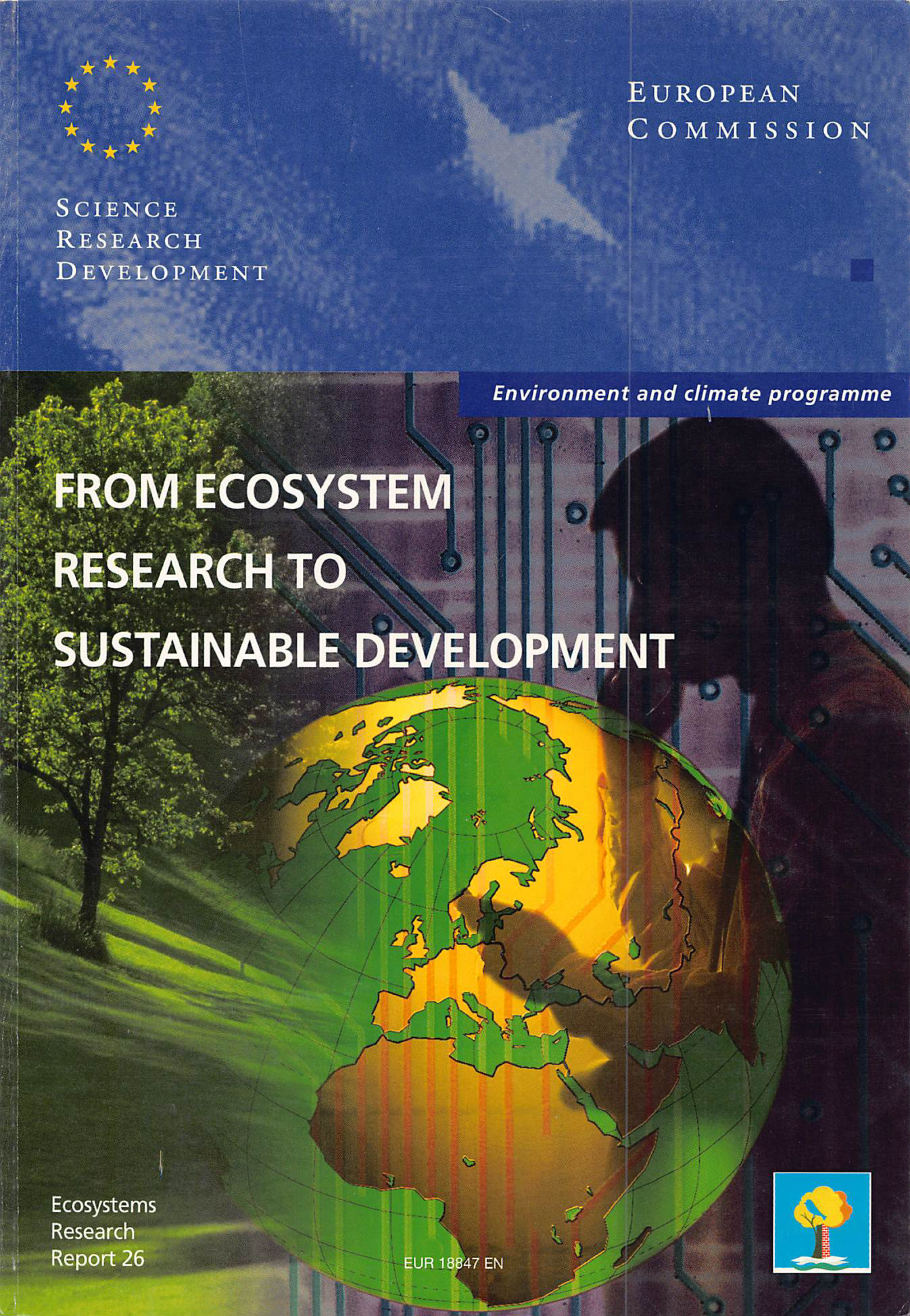
Strati, Filippo/ Schleicher-Tappeser, Ruggero, (1999): A Flexible Tool for Valuating and Evaluating Sustainable Development. In: Catizzone, M.: From Ecosystem Research to Sustainable Development. Towards a New Paradigma for Ecosystem Research (= Ecosystem Research Reports N° 26, p. 59-74. Luxembourg: European Commission. ISBN 92-828-6425-1.
Image Credits: hover over the image(s) below